
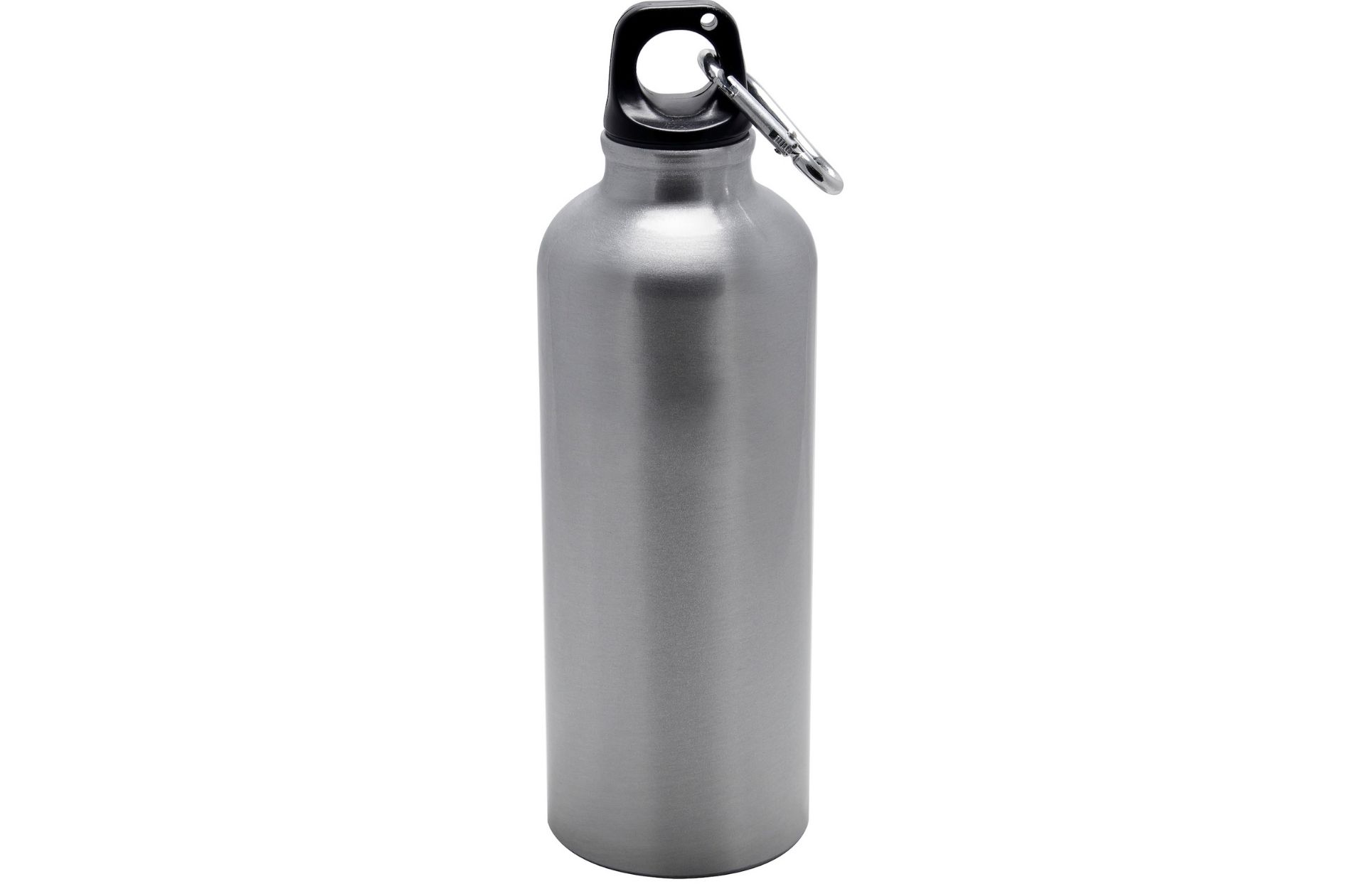
Is Aluminum Water Bottle Safe or Should You Choose Stainless Steel
If you want to understand the safety and viability of aluminum water bottles versus stainless steel, we need to look at a few key things first. Many brands want the lightweight feel and premium shelf appeal of aluminum, but you may hesitate because of one critical question: Is an aluminum water bottle truly safe for beverages, or is stainless steel the smarter long-term choice for product quality and consumer trust?
I believe the answer is not a simple yes or no, but rather a matter of engineering and quality control. Aluminum water bottles can be safe when they use a high-quality food-grade internal lining, are manufactured to recognized standards, and are used within the right beverage conditions. However, stainless steel is often preferred when brands want fewer lining-related concerns and a stronger long-term durability story.
As a specialist in packaging technology and material science, I draw on the legacy of PT New Red and White Manufactory, which has been at the forefront of aluminum packaging since 1971. Our large-scale manufacturing base in Cikupa, Tangerang, operates under strict alignment with international quality expectations, including FEA-related standards. My perspective is shaped by 2025 market shifts where consumer preference for recyclable beverage packaging is reaching an all-time high. In fact, current industry data shows a 12% rise in demand for metal-based sustainable alternatives as brands aggressively move away from single-use plastic bottles.
What You'll Find:
• The role of internal linings in ensuring aluminum bottle safety
• A checklist for verifying food-grade compliance and manufacturing controls
• How acidic drinks and heat exposure impact material performance
• A side-by-side comparison of aluminum vs. stainless steel for B2B buyers
• Technical guidance on sourcing and quality-control standards for 2025
What the short answer gets wrong about aluminum bottle safety
The real issue is not whether aluminum is universally safe or unsafe. Instead, the focus for brand owners should be on whether the bottle’s lining, manufacturing quality, use case, and maintenance match the specific beverage application. Many people believe that aluminum water bottles are inherently "dangerous" due to the metal itself, but they forget that aluminum cans have been used safely for decades thanks to advanced barrier technologies.
For brand owners here is the real safety question to ask
If you are evaluating packaging, you must understand that safety depends on the full bottle system, not raw aluminum alone. As a decision-maker, you should think in terms of lining integrity, food-contact suitability, supplier consistency, and beverage compatibility. According to the Food and Drug Administration (FDA) (2024), food contact substances are evaluated based on their potential for migration into the food product, meaning the "protective lining inside" is actually the most important component of the bottle’s safety profile.
Gap fill Bulletin Bottle skips how to verify a safe lining so here is the actual checklist for buyers
While many consumer guides mention "coatings," they often skip the technical verification steps. To ensure you are sourcing a safe product, your procurement team needs a formal checklist:
• Food-grade internal coating: Verify that the resin used is certified for the specific pH of your beverage.
• BPA-free claim verification: Don’t just take a label at face value; request third-party lab results.
• Migration testing documentation: Ensure the manufacturer has tested the bottle under extreme conditions (high heat and acidity).
• Production consistency: Review the supplier’s defect rates specifically regarding coating adhesion.
• Clear care instructions: Ensure the final consumer knows how to avoid damaging the internal barrier.
For procurement teams separate aluminum exposure concerns from coating quality concerns
I often see procurement teams confused by the distinction between material myths and real quality-control questions. Many online articles blur the difference between the base metal and the internal protective layer. You should know that raw aluminum is a reactive metal, which is why the protective coating is mandatory. According to the European Food Safety Authority (EFSA) (2024), materials intended to come into contact with food must be manufactured so that they do not transfer their constituents to food in quantities that could endanger human health.
Transformative insight one the safest bottle is not the one with the safest marketing claim but the one with the most verifiable manufacturing controls
If we want to build brand trust, we must reframe the conversation away from fear-based claims. Documentation, technical specifications, and process controls matter more than vague “eco-friendly” or “safe” wording on a sales page. In 2025, approximately 68% of B2B purchase decisions in the packaging sector are influenced by the depth of a supplier’s safety documentation rather than just the price point.
Why aluminum can be safe and when it becomes a risk
To answer the core question of safety in depth, I need to provide you with a practical framework for determining when aluminum is appropriate and when it is not. Aluminum is not a "one-size-fits-all" material, and its performance is entirely dependent on its environment.
For product developers understand why aluminum bottles usually need an internal lining
Aluminum bottles usually require an internal lining to prevent direct contact between the beverage and the metal. This lining preserves the taste, protects the product’s integrity, and prevents the "metallic taste" often associated with poorly manufactured bottles. If you are developing functional drinks or flavored water, this barrier is your first line of defense against oxidation and flavor degradation. Recent studies indicate that over 95% of aluminum beverage packaging relies on some form of internal coating to maintain safety standards.
For B2B buyers know the conditions that increase risk such as acidic contents heat exposure and internal coating damage
There are specific triggers that make aluminum less ideal. Acidic liquids (such as citrus juices or carbonated drinks) can be aggressive toward a low-quality inner coating. Furthermore, extreme temperatures—such as leaving a bottle in a hot car—can stress the bond between the metal and the lining. If the bottle is dented severely or the interior is scratched by metal brushes, the protective lining may be compromised, leading to direct contact between the liquid and the aluminum.
Gap fill Just Bottle explains lining dependence but misses balanced risk context so here is when aluminum is reasonably safe and when it is not
Aluminum is reasonably safe for drinking water and cold beverages when the bottle is used as intended and the lining is intact. However, it becomes a risk if you use it for hot liquids or highly acidic beverages that the specific coating wasn't designed to handle. Unlike stainless steel, which is naturally corrosion-resistant without a lining, aluminum relies entirely on that thin chemical barrier. Research published in the National Center for Biotechnology Information (PMC7270472) (2020) suggests that metal migration is significantly lower in containers with properly applied, stable epoxy or polyester linings compared to untreated surfaces.
For operations teams know the warning signs that mean an aluminum bottle should be replaced or rejected
You should implement a rejection protocol based on several warning signs:
Visible internal wear: Any peeling or flaking of the internal lining.
Structural dents: Deep dents that might have cracked the internal coating.
Unknown coating type: If a supplier cannot provide the SDS (Safety Data Sheet) for the lining.
Metallic taste: Consumer complaints about flavor changes are a red flag for coating failure.
Transformative insight two aluminum safety is less about the metal itself and more about whether the packaging system stays stable across the full supply chain
Shift your thinking from a single-point evaluation to full lifecycle performance. Safety isn't just a lab test; it's how the bottle performs after six months of transport, warehousing, and consumer use. The safest packaging is a stable packaging system.
| Condition | Aluminum (Lined) | Stainless Steel (Unlined) |
| Still Water | Safe / High Performance | Safe / High Performance |
| Citrus/Acidic | Safe if lining is acid-resistant | Naturally Safe |
| Hot Beverages | Generally not recommended | Safe / Excellent |
| Dents/Impact | May compromise lining | Impacts aesthetics only |
Aluminum versus stainless steel which material performs better for safety and product confidence
If you are comparing these two materials, you are likely looking for the best balance of safety, weight, and brand perception.
For brand owners compare safety logic rather than just premium positioning
Aluminum is often chosen for its lightweight nature and its ability to be fully recyclable with significantly less energy than virgin aluminum production. However, from a safety logic perspective, aluminum depends heavily on the supplier’s coating technology. Stainless steel, while heavier and often more expensive, offers a "simpler" trust story because it does not require an internal lining. If your brand positioning is "pure and rugged," stainless steel fits the narrative. If it is "lightweight and eco-innovative," aluminum is the winner.
For procurement managers compare total risk across taste durability compliance and complaint potential
When I look at the data, the choice often comes down to risk management.
• Taste Neutrality: Stainless steel is the gold standard for taste.
• Corrosion Resistance: Stainless steel wins, especially for carbonated or fizzy drinks.
• Weight: Aluminum is much lighter, reducing shipping costs and carbon footprint.
• Complaint Potential: Poorly lined aluminum bottles have a higher risk of "metallic taste" complaints.
Gap fill Pexpo argues against aluminum but skips ideal use cases so here is who aluminum works for and who should avoid it
I believe aluminum works exceptionally well for brands focused on sports, outdoor adventures, and large-scale events where weight is a primary concern. It is also the superior choice for brands prioritizing a "fully recyclable" circular economy story, as aluminum is recycled more efficiently than almost any other material. You should avoid aluminum if you are selling a premium product designed for hot beverages or if you lack the resources to conduct rigorous supplier audits on coating quality.
For R and D teams compare formulation compatibility before choosing either material
For the technical teams, I recommend testing your specific drink formulation. Some sports drinks contain electrolytes and salts that can be corrosive to certain linings. Stainless steel water bottles are generally made from 304 (18/8) food-grade stainless steel, which is non-reactive. If you choose aluminum, you must ensure the "inner coating" is specifically validated for your formulation’s pH and mineral content.
Transformative insight three the best bottle material is not the most premium material but the material that creates the least mismatch between product formula user behavior and supplier capability
The most "premium" stainless steel bottle is useless if it’s too heavy for your target demographic to carry. Conversely, the most lightweight aluminum bottle is a liability if your beverage formula degrades the lining. Match the material to the use case.
How to evaluate an aluminum bottle before you buy source or specify it
Turn your evaluation process into a systematic sourcing guide. This is where most brands fail by accepting generic "BPA-free" claims.
For procurement teams use this supplier qualification checklist before approving an aluminum bottle
Before you place a volume order, I recommend asking for:
• Full disclosure of the internal coating chemistry.
• Batch traceability records showing that the lining was applied uniformly.
• Migration test results based on EU or FDA standards for "food grade materials."
• The supplier’s defect history over the last 24 months.
Gap fill Mountop covers pros and cons but skips certification signals and red flags so here is what to verify before placing volume orders
Look for "Certification Depth." A high-quality supplier won't just say they are compliant; they will show you the ISO certifications and specific test reports for lead, cadmium, and phthalates. According to the Food and Drug Administration (FDA) (2024), the manufacturer is responsible for ensuring that the food packaging is safe for its intended use, meaning the burden of proof is on your supplier.
For brand owners ask these material and coating questions before choosing aluminum for beverage packaging
If you are sitting in a boardroom deciding between materials, ask these three questions:
Is the internal lining validated for our specific beverage's shelf-life?
How does the bottle handle "transport stress"—will the lining crack if the bottle is dropped?
What are the environmental trade-offs between the energy-intensive production of stainless steel and the lining-dependence of aluminum?
For product developers request samples that test real use conditions not ideal lab conditions
Don't just test a pristine bottle. Take the samples and drop them, freeze them, and heat them. Check the lining adhesion after the bottle has been dented. This "real-world" testing is the only way to ensure that your aluminum water bottle remains safe for the end-user.
Frequently Asked Questions
Is an aluminum water bottle safe for daily drinking?
Yes, a high-quality aluminum bottle is safe for daily drinking provided it has an intact, food-grade internal lining that prevents the water from reacting with the metal. You should choose bottles from reputable manufacturers that provide documentation of BPA-free and food-safe coatings to ensure long-term safety.
Can aluminum bottles leach harmful chemicals into water?
Leaching typically only occurs if the protective internal lining is damaged, absent, or of poor quality. According to guidelines from the European Food Safety Authority (EFSA) (2024), safe food-contact materials must be chemically stable; therefore, as long as the coating remains intact and is used for non-acidic cold drinks as intended, the risk of chemical migration is minimal.
Is stainless steel always a safer choice than aluminum for beverages?
While stainless steel is often considered "simpler" because it is naturally non-reactive and doesn't require a lining, it is not automatically "safer" in all contexts. High-quality, properly lined aluminum bottles meet the same international safety standards for food contact, making the choice more about durability, weight, and the specific types of drinks you intend to carry.
If you are a brand owner, choose the material that supports both product integrity and brand trust. If you are in procurement, choose the option with the clearest verification path. For R&D teams, match the material to the formula. At PT New Red and White Manufactory, we help you navigate these choices with over five decades of expertise in aluminum packaging, ensuring your products are backed by research-driven safety and manufacturing excellence.
Read more: Are Aluminum Cans More Eco-Friendly Than Plastic Bottles?