
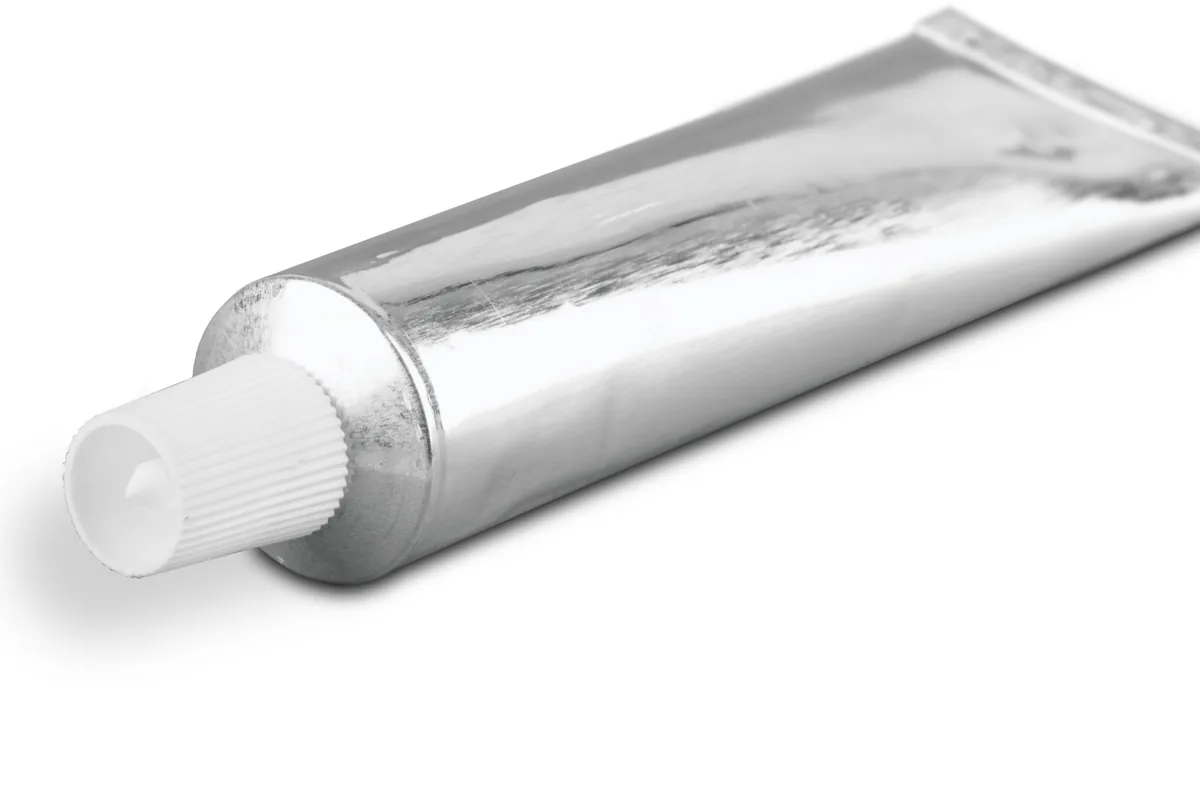
Aluminium Tube Packaging Explained for Smarter Packaging Decisions and Stronger Brand Impact
I kept asking myself: why do some premium formulations succeed in the market while others struggle with stability, compliance, and negative brand perception? What I discovered is the answer often lies in understanding the container itself. I've noticed that many brands completely underestimate how much their packaging impacts the actual lifespan of their product. When companies treat packaging as a mere operational afterthought, it often results in inconsistent quality, severe supplier risk, and unclear specifications.
But I want to show you that if you treat aluminium tube packaging as a strategic business decision not just a basic vessel to hold your product you can secure your market position. Drawing on New Red’s 50+ years of manufacturing expertise and strict adherence to international standards, I want to guide you through this process. You will learn exactly how to evaluate, select, and maximize your aluminium tubes.
What You'll Find:
• The true impact of barrier protection on sensitive liquid formulations and creams
• Why the infinitely recyclable nature of this metal outperforms plastic alternatives
• A clear framework for choosing the right aluminium tubes for your specific industry
• How specific functionalities like proper diameters and internal coatings prevent contamination
• Actionable steps to avoid common mistakes when checking a supplier's manufacturing site and data
Why Aluminium Tube Packaging Is Becoming the Preferred Choice for Modern Brands
I've found that the relationship between material science and shelf life is actually more complex than most of us realize, but it begins with understanding core barrier properties and the unique properties of the materials we use.
Barrier protection that directly impacts product shelf life
If you are formulating sensitive products, complete barrier protection is essential. Aluminium blocks light, oxygen, and moisture completely. This is incredibly important for active cosmetics, pharmaceutical creams, specialized gels, and lotions. Unlike porous plastic tubes or typical plastic bottles, which can allow air to seep in over time, these metal tubes actively protect contents from harmful oxidation and degradation caused by the sun. I discovered comprehensive data published by European Aluminium (2023) showing that aluminium provides up to a 100% barrier efficiency against light and moisture compared to plastic alternatives. For your brand, this ensures absolute hygiene, product safety, and longevity for products relying on delicate preservatives to preserve their efficacy.
Premium perception that influences consumer buying decisions
You've probably heard that buyers are highly visual, but when I look at the market data, I see something quite different happening beneath the surface: tactile perception drives trust. For brand owners, aluminium tubes represent a much higher perceived value than standard flexible plastic. When consumers hold a cold metal tube, they instantly expect superior quality. This premium perception strongly differentiates your brand in a crowded market. According to recent industry reports I reviewed from Statista (2024), utilizing premium, sustainable packaging directly increases purchase intent by nearly 30%, drastically improving long-term brand loyalty.
Sustainability advantage that competitors oversimplify here is the real lifecycle impact
I hear most competitors talk about sustainability, but they skip the true lifecycle depth. The real advantage here is that this metal is infinitely recyclable without any loss of quality or material degradation. Ever since collapsible tubes were first invented, their benefits to the environment have outpaced plastic. According to what I've learned from the International Aluminium Institute (2024), it turns out that recycling aluminium saves up to 95% of the energy needed compared to primary aluminium produced directly from raw ore. Because it is so heavily recycled, this creates a closed-loop system where recycled tubes are continuously transformed back into valuable materials. For executives, this means long-term ESG alignment and true sustainability right down to the very end of the lifecycle.
Aluminium Tube Packaging Types and When to Use Each One
Let me break down the specific tube types into smaller parts so we can see which style actually performs best for your needs.
Monobloc aluminium tubes vs laminated alternatives which actually performs better
When I help teams choose between monobloc aluminium tubes and laminated alternatives, I've learned it actually depends on what kind of protection you need. Monobloc aluminium tubes are crafted from a single, seamless piece of metal, ensuring they remain completely sealed. On the other hand, laminated plastic tubes combine layers of plastic and extremely thin metal. While laminated plastic tubes are highly flexible, they often suffer from "suck-back" drawing air and contamination into the body of the tube after being squeezed.
Application-based selection for cosmetics, pharmaceuticals, and industrial products
In my experience, realistic implementation involves matching the tube to the exact product. High-grade cosmetics and pharmaceutical supplements require pure aluminium tubes to maintain strict product integrity. Meanwhile, industrial liquids and harsh chemical gels demand specialized internal coatings to remain stable and safe while stored. Whatever your range of products, there is a specific tube designed to hold it.
Gap competitors miss how wrong tube selection leads to product failure
What I consider the key element here is understanding the real risks: leakage, rapid contamination, and complete formula degradation. If you use plastic tubes for a highly volatile substance, for example, you risk severe product failure. You must cross-reference your product's chemical properties against the available aluminium tube packaging options to secure your product safety.
How to Choose Aluminium Tube Packaging for Your Business Needs
From my practical standpoint, making the right choice requires a logical framework.
Step-by-step selection framework for brands and procurement managers
Here are the actionable steps I suggest for choosing the best tubes:
Verify precise product-to-material compatibility for your liquid formulations.
Determine your exact volume requirements and production scalability.
Map out all regulatory compliance required for your specific market.
Establish the supply chain stability of your chosen manufacturing site.
Gap-fill from competitors evaluating supplier reliability beyond price
I've noticed that common advice often prioritizes the cheapest price, but let me tell you what this actually means in reality. The cheapest supplier often creates the highest long-term costs through defects and poor reliability. To evaluate true supplier reliability, you need to verify their Quality Assurance systems, inspect their manufacturing site, and review their performance data. You want a partner who consistently delivers reliable aluminium tubes, keeping your customers satisfied.
Technical specifications simplified for non-engineers
Let me be clearer about the technical details so you know exactly what to look for. When specifying tubes, you must select proper diameters and precise wall thicknesses so the tubes are highly drop resistant. The correct internal coatings are essential to protect the metal body from reacting with active liquids. From an aesthetic perspective, you must carefully select the outer decoration, the right brand colour, and the specific gloss level. Even the cap shape and style matter for maintaining an airtight seal. Getting the precise colour and optimal diameters correct guarantees your tubes look perfect on the shelf.
MOQ, lead time, and scalability considerations for growing brands
If you actually want to use this packaging efficiently, here's what I recommend regarding operations. Growing brands must heavily scrutinize a supplier’s Minimum Order Quantity (MOQ) and production lead times. Ensure the manufacturer's site has the required capacity for scalable delivery, or you risk facing severe bottlenecks in the future.
Manufacturing Quality and Standards That Define Reliable Aluminium Tube Packaging
What I also need to point out is the danger of batch-to-batch variation. Achieving consistent quality across millions of aluminium tubes requires highly controlled environments. If a site lacks strict oversight, you might find that one batch of tubes functions perfectly, while the next suffers from weak walls or poor colour accuracy.
International standards such as FEA and why they matter for compliance
I've had the privilege of learning from leading experts in the packaging industry, and they consistently emphasize strict adherence to international standards like the FEA (European Aerosol Federation, which heavily overlaps with metal packaging regulations). For executives, demanding these standards directly reduces risk and ensures your aluminium tube packaging is fully prepared for global export.
Quality control checkpoints that ensure product safety and performance
What this means for you in practice is that you should expect your supplier to enforce rigorous quality control. This involves complex leak testing, validating internal coatings, and ensuring the tubes are entirely pressure resistant. These steps are necessary to preserve the formula and protect the user.
The Real Business Impact of Choosing the Right Aluminium Tube Packaging
Cost vs value: why aluminium packaging reduces long-term risk
I've heard critics argue that aluminium tubes are sometimes more expensive upfront than basic plastic packaging. However, when I look at the data, I see something quite different. Premium aluminium reduces product waste, minimizes returns caused by spoilage, and strengthens your brand presence. This drop in operational failure makes aluminium packaging a highly cost-effective investment over its total lifecycle.
Supply chain efficiency for local vs imported packaging
For businesses in the Indonesian market, working with a local manufacturing site provides massive advantages. By keeping production and delivery localized, you drastically cut down on the energy and costs associated with long-distance shipping. Plus, having tubes stored closer to your filling facilities dramatically improves agility.
Packaging is a growth lever, not just a cost center
I think it's really important to distinguish packaging as a simple expense from packaging as a strategic asset. Much like aluminium cans revolutionized the beverage industry, utilizing top-tier aluminium tubes creates unique functionalities that simultaneously drive sales, streamline operations, and elevate brand equity.
Common Mistakes Brands Make When Choosing Aluminium Tube Packaging
Choosing based on price instead of performance
I used to see brands default to the cheapest plastic tubes available, but I've learned that sacrificing performance for upfront savings inevitably harms the brand. Superior materials prevent costly recalls.
Ignoring product-material compatibility
Assuming your formulation is suitable for any tube is dangerous. You must systematically test your creams or liquids inside the specific aluminium tubes to verify that the internal coatings prevent adverse chemical reactions.
Overlooking supplier scalability and lead time risks
I've observed companies partnering with suppliers who look great on their website but lack the actual production capacity at their physical site. Always verify that they can handle your future growth.
Lack of technical consultation during selection process
The biggest error I see is brands trying to guess the correct functionalities like which cap, what colour, or what barrier properties are needed without expert help. A reliable manufacturer acts as a consultant, using real data to guide your choices.
If you want to ensure your products thrive, choosing aluminium tube packaging is a crucial strategic step. I encourage you to make informed decisions by collaborating with proven experts. Explore the New Red and White website to see how their half-century of quality manufacturing can secure your product integrity.
Frequently Asked Questions
How long does it usually take to test product compatibility with aluminium tubes?
Testing product compatibility typically requires a stability testing period of 12 to 24 weeks depending on your industry regulations. During this time, the product is stored inside the tubes under various temperature and humidity conditions to ensure the internal coatings hold up and the formula remains completely stable.
What is the actual difference between monobloc aluminium tubes and laminated tubes?
Monobloc aluminium tubes are extruded from a single piece of solid metal, meaning they have no side seams and provide a 100% barrier against air and moisture. Laminated tubes are made from flat sheets of plastic and foil welded together, which makes them more prone to sucking air back in after use and potentially compromising sensitive formulations.
What should you do if your brand needs a highly custom tube shape or unique decoration?
If you require custom functionalities, you should immediately engage with your supplier's technical consultation team before finalizing your product design. They can use their site data to guide you on which specific diameters, cap styles, and advanced colour printing techniques are suitable and technically viable for scalable production without compromising the tube's protective properties.
Read more: How to Select the Best Aluminium Bottle Manufacturer for Your Business